Figma to custom WordPress theme
Approved desktop and mobile designs are translated into responsive templates and reusable components without forcing the interface into an unrelated theme system.
WordPress theme development · UK agencies
Trusted to deliver, behind the scenes




Selected website delivery
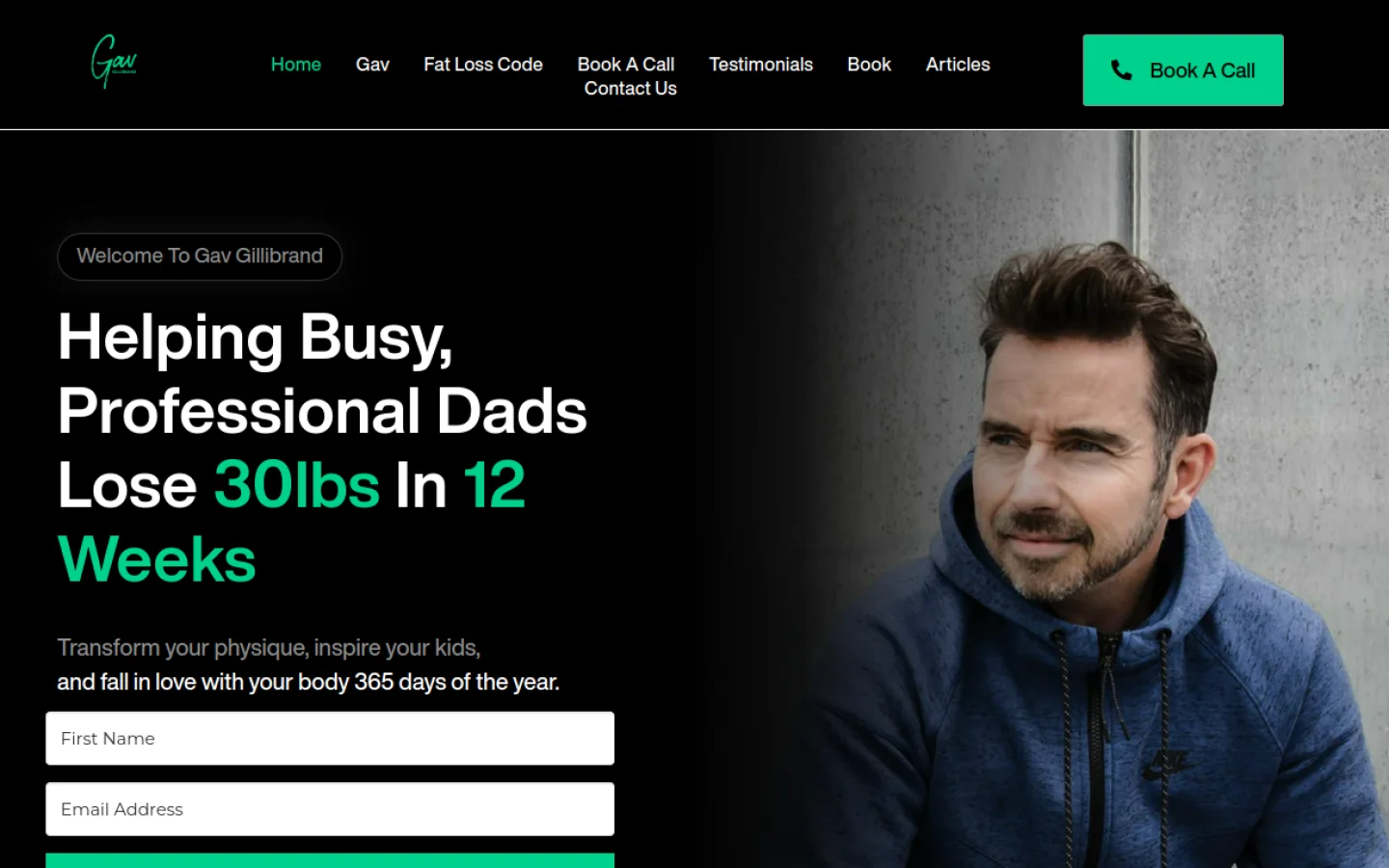
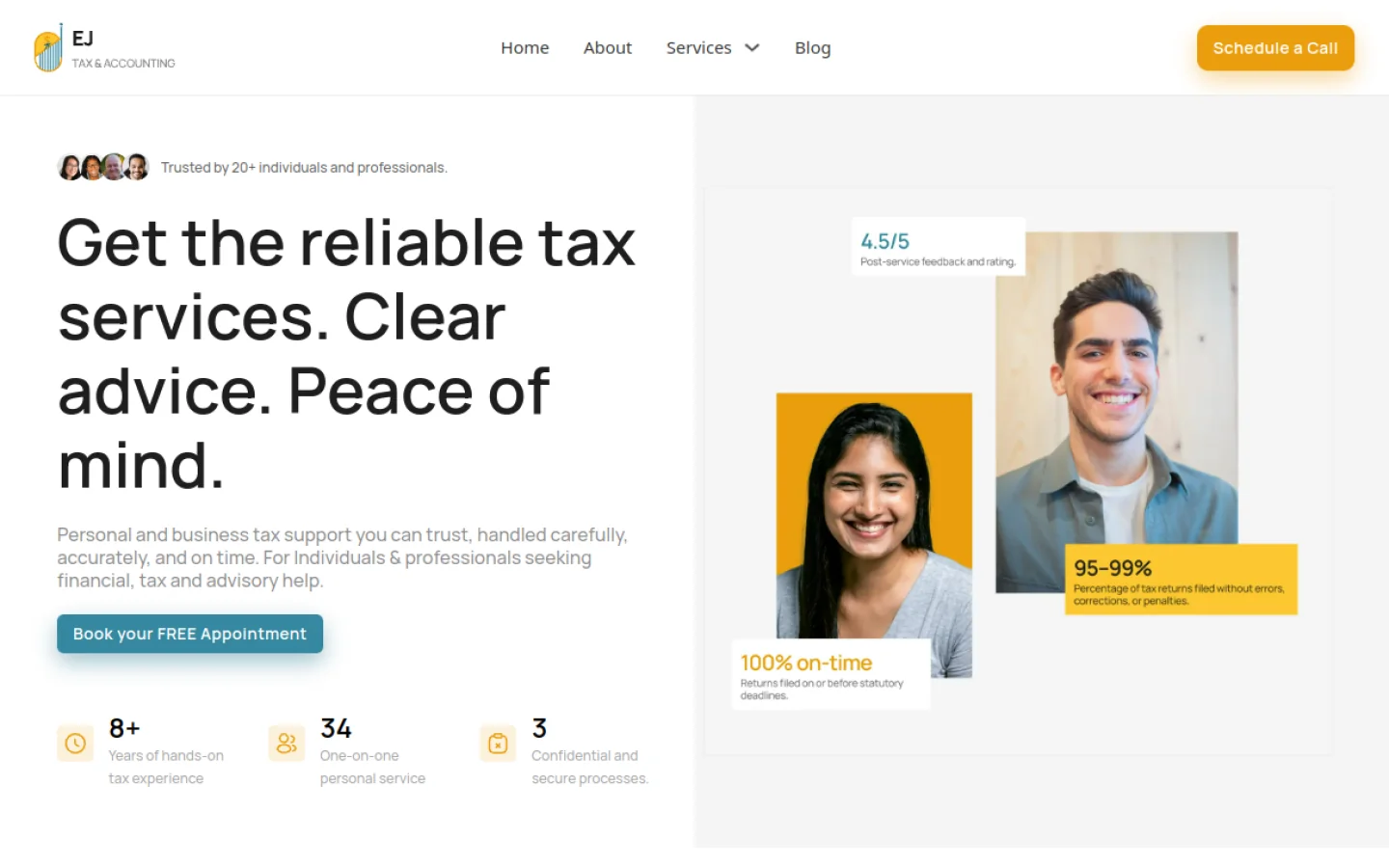
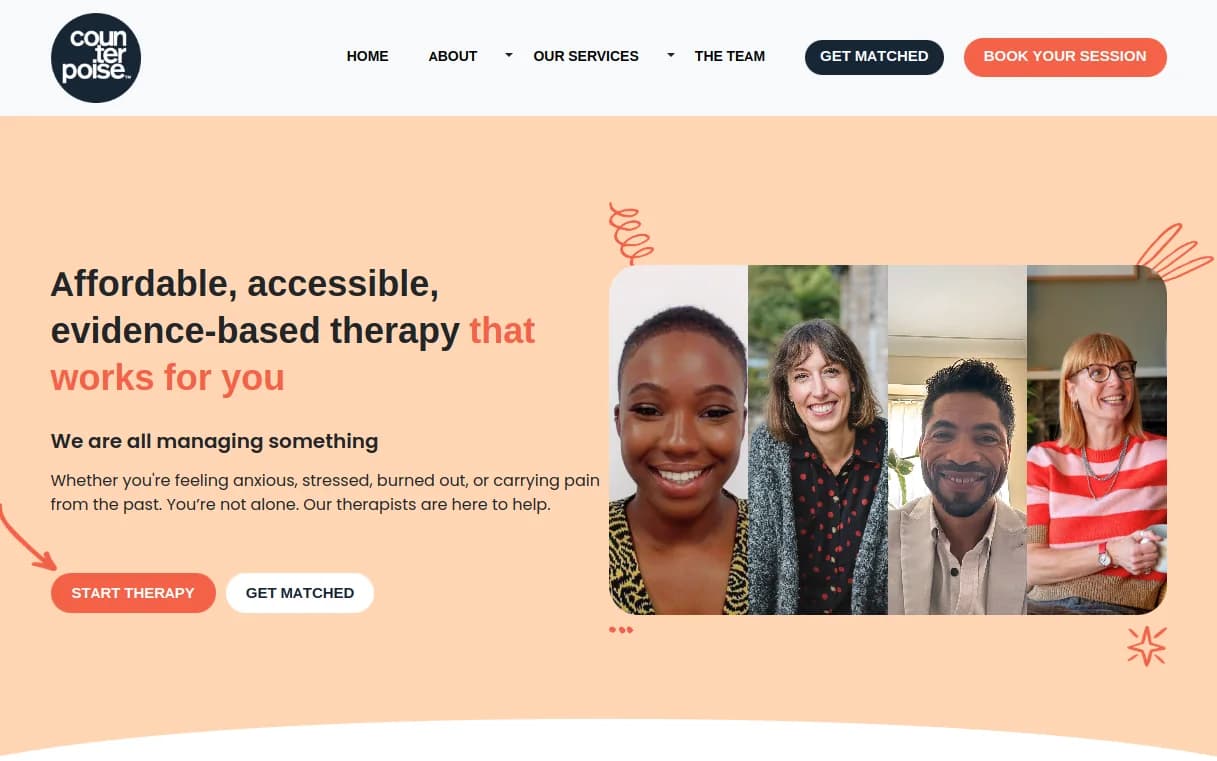
Explore responsive websites delivered across distinct audiences, visual systems and editorial requirements by the team behind this service.
A WordPress production team behind your agency
A polished Figma file is only part of the delivery. The finished website also needs repeatable templates, controlled content fields, responsive behaviour and an editing model that makes sense after launch.
Oncreation handles that production layer behind your agency. Your team controls the client and approvals; we organise the theme build, surface missing states and prepare the responsive website for review and release.
White-label WordPress theme services
The theme architecture follows the approved interface, content types and editing requirements—not a library of layouts the client did not ask for.
Approved desktop and mobile designs are translated into responsive templates and reusable components without forcing the interface into an unrelated theme system.
Agreed layouts become controlled, repeatable sections so the client can manage content without rebuilding the design on every page.
Pages, posts, case studies, services, team profiles and other content types are structured around the client’s real publishing workflow.
An existing website can be rebuilt into a clearer theme architecture after its content, URLs, plugins, editing needs and migration risks are reviewed.
What your agency receives
Typography, spacing, components and responsive behaviour follow the approved system rather than generic theme defaults.
Clients can update the agreed content without unnecessary choices that weaken the interface.
Common page requirements are handled through maintainable templates and components instead of duplicated markup.
Your team reviews the responsive build, content templates and agreed functionality before production release.
From approved design to launch
The schedule begins after the approved designs, content model, functionality, assets and access required for the build are ready.
Approved design, page types, responsive states and functionality
Templates, reusable sections, content fields and editing rules
Theme components, CMS templates and responsive implementation
Agency review, content testing, device QA and agreed functionality
Final approval, migration, production release and handover
What clients say
Clear communication and dependable delivery, from the first brief through launch.
What impressed me most was their ability to translate ideas into a clean, intuitive and high-performing website that truly reflects the mission of Shiny’s Academy.
Excellent design skills, quick and responsive communication, and an excellent website delivered on time.
His work ethic, integrity and punctuality are impeccable. He is extremely reliable, accommodating and open to client feedback and iterations.
Website Partner packages
Choose a paid pilot, flexible monthly capacity or a six-month partnership. The ongoing plans include the same core service.
A low-commitment way to experience the workflow before moving to ongoing delivery.
Discuss this optionThe complete website partner service with no fixed minimum commitment.
Discuss this optionThe same delivery service at the lowest monthly equivalent rate.
Discuss this optionWordPress, Webflow, Framer and Squarespace marketing websites are included. Next.js, complex integrations, platform fees and paid third-party tools are scoped separately.
WordPress theme development FAQs
Clear answers about Figma implementation, editing, builders, migrations, plugins, timing and white-label delivery.
We need the approved page designs, responsive direction, page and content types, functional requirements, final or representative content and relevant access. Missing states are resolved before they become development rework.
Yes. We review the design system, templates, reusable components, breakpoints, interaction states and content behaviour first. Your agency approves any implementation decisions that are not already clear in the design.
Yes, where that is part of the agreed editing model. We define which templates and sections can be reused, which fields are editable and where controls are intentionally limited to protect design consistency.
The editing approach is selected around the client’s requirements, your agency’s workflow and the approved design. We do not add a page builder by default when a simpler template or block structure will be easier to maintain.
Yes. We first review the current theme, plugins, templates, content, URLs and hosting setup. The migration plan must protect required functionality and existing search visibility rather than treating the work as only a visual replacement.
Standard theme functionality is agreed in the website scope. Bespoke plugins, complex integrations and application-style requirements are reviewed separately because they carry different technical and testing responsibilities.
Suitable custom marketing and service websites can be delivered through the Website Partner plan, with one active priority at a time. Scope, content, design readiness, functionality and timing are confirmed before the build begins.
A smaller approved-design website generally needs at least seven working days and a larger site at least fourteen. The actual schedule depends on template variety, functionality, content readiness, migration and agency feedback.
Yes. We can sign an NDA, work through your agency’s project system and communicate directly with the client only when you authorise it. Your agency keeps the relationship and final approval.
Agency delivery insights
Practical guidance on briefs, page structure, content models, scope, approvals and dependable agency delivery.
View all insightsUnderstand what changes website costs in the UK, how agencies can compare pricing models and what must be scoped before accepting a website estimate.
A practical website briefing checklist for agencies covering commercial goals, audiences, page scope, content, functionality, approvals and launch access.
A practical guide for agencies choosing a Shopify ecommerce development partner, covering scope, themes, apps, migrations, QA, pricing and ownership.
Free website tools
Practical tools for choosing the platform, structuring the website and setting a credible delivery window.
Explore all 8 toolsCompare WordPress, Webflow, Framer, Shopify and Next.js against the project requirements.
Use the toolTurn the business, audience, offers and conversion goal into a practical page structure.
Use the toolEstimate a realistic delivery window from scope, content readiness and project complexity.
Use the toolHave a project?
A focused 30-minute conversation about your typical projects, current capacity and whether the partnership fits.
30-minute introduction
The scheduler loads only when you request it. You can also open the booking page directly in a new tab.